How Long Does It Take to Get Used to a Sleep Apnea Oral Appliance?
By Andrew Cohen, DMD, Diplomate ACSDD
You’ve decided to try an oral appliance for your sleep apnea. Maybe you’ve struggled with CPAP, or perhaps an oral appliance seemed like a better fit for your lifestyle.
Then you put it in for the first time.
Your mouth feels different. Your jaw is resting in a new position. Maybe you’re producing more saliva than usual, or your teeth feel a little different when you wake up.
And you start wondering:
“Is this normal? How long is it going to take before I get used to this thing?”
It’s one of the most common concerns patients have when starting oral appliance therapy.
Here’s what I tell them.
Most people need some time to adjust. But getting comfortable with an appliance and knowing that it’s treating your sleep apnea are two different things.
Both matter.
What Should You Expect During the First Few Nights?
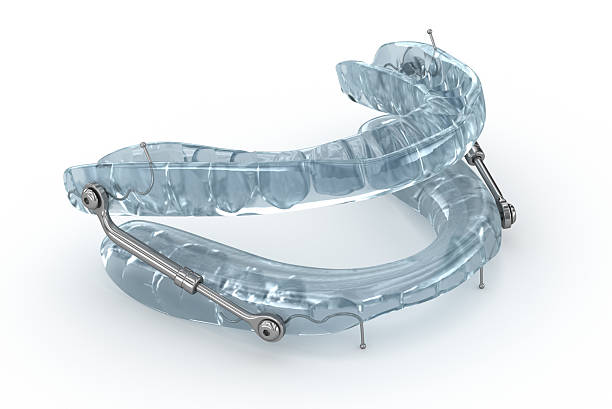
A custom oral appliance works by positioning your lower jaw forward while you sleep. That movement can help create more room in the upper airway and reduce obstruction.
But your teeth, jaw muscles, and joints aren’t accustomed to spending the night in that position.
During the first few nights, you might notice:
- Pressure on your teeth
- Mild jaw stiffness when you wake up
- More saliva than usual, or occasionally a dry mouth
- A temporary change in how your teeth come together
- Greater awareness of having something in your mouth
Many patients begin adjusting within a few days to several weeks. Some need longer.
Mild discomfort that gradually improves can be part of adaptation. If pain persists, discomfort worsens, or you have difficulty opening your mouth, you should have it evaluated rather than push through.
Why Every One of My Patients Receives a Morning Repositioner
When an oral appliance holds your lower jaw forward overnight, your muscles and joints spend hours in a position different from your usual bite.
When you remove the appliance, your teeth may not come together the way they normally do right away.
That’s why I give every patient I treat with a mandibular advancement appliance a custom morning repositioner.
It helps guide the jaw back toward its normal, pre-treatment position after sleeping with the appliance.
I consider this a critical part of my treatment protocol.
Why?
Because bite changes are among the recognized long-term effects of oral appliance therapy.
The morning repositioner is one tool we use to help manage those changes and potentially reduce their progression. It doesn’t eliminate the possibility of long-term tooth movement, so I also monitor your bite, teeth, and jaw function over time.
Taking care of your sleep apnea shouldn’t mean ignoring your teeth and jaw health.
If the repositioner no longer returns your bite to its usual position, or causes pain, I want to know.
Why I Take a Three-Dimensional Approach
I don’t believe oral appliance therapy should be reduced to making a device and sending someone home.
When I evaluate a patient, I’m looking at how the teeth, jaws, tongue, nasal passages, and upper airway work together.
The appliance is one piece of that picture.
For example, imagine two patients wearing similar appliances.
One breathes comfortably through the nose and has no significant jaw limitations.
The other struggles with chronic nasal congestion, mouth breathing, and a history of TMJ discomfort.
Even if both appliances are well made, those patients may respond differently.
That is why my approach includes evaluating nasal breathing, jaw movement, dental anatomy, and sleep symptoms rather than concentrating only on how far forward the appliance moves the jaw.
Why Nasal Breathing Matters
As part of my oral appliance protocol, I provide patients with nasal dilators and discuss mouth tape.
Nasal dilators may help certain patients breathe more comfortably through the nose, particularly when nasal valve narrowing contributes to obstruction.
Mouth tape requires more caution. It is not a treatment for obstructive sleep apnea, and restricting mouth breathing may be unsafe when nasal airflow is inadequate. Although I include it in my protocol, patients should use it only after an individual assessment, and I do not want them applying it without appropriate evaluation and instructions.
The bigger point is that we should understand how you’re breathing, not just the appliance you’re wearing.
If nasal obstruction is contributing to discomfort or disturbed breathing, that deserves attention rather than simply advancing your lower jaw farther forward.
What if your jaw is sore or Your Mouth Feels Dry?
Temporary jaw stiffness can occur as you adapt to the appliance.
However, pain that persists, worsens, or comes with new painful clicking, locking, or difficulty opening deserves evaluation.
Sometimes a small appliance adjustment helps. Other times we need to reconsider the jaw position or investigate another contributing factor.
Saliva changes are also common.
Extra saliva often improves as you get used to the appliance. Dry mouth may be associated with mouth breathing, nasal congestion, medications, or how the appliance affects lip closure.
Persistent dryness should be evaluated because saliva protects your teeth and oral tissues.
You shouldn’t automatically dismiss these issues as something you simply have to live with.
Does Getting Comfortable Mean the Appliance Is Working?
No. And this may be the most important point in the article.
Your appliance may be comfortable.
Your spouse may say you no longer snore.
You may even feel more refreshed.
Those are encouraging signs. But they don’t necessarily tell us whether your obstructive sleep apnea is adequately controlled.
That’s why I work with sleep physicians to obtain appropriate follow-up testing.
We want to know what’s happening to your breathing, not merely whether the device feels comfortable.
If breathing disturbances remain, we reassess the treatment. That might involve adjusting the appliance, evaluating additional contributing factors, or considering another treatment approach.
Comfort is important. Effectiveness is essential.
An Oral Appliance Manages the Problem. Can We Do More?
This is where my philosophy differs from simply delivering an oral appliance.
I view an oral appliance as a management tool—not necessarily the final destination.
The appliance helps keep your airway more open while you wear it. That can be valuable treatment, but it doesn’t necessarily change the underlying anatomy or other factors that contributed to your sleep apnea.
I sometimes describe it as a Band-Aid.
Not because the appliance is ineffective or unimportant. Rather, because it helps manage the breathing problem without necessarily eliminating its underlying contributors.
And I believe we should be asking another question:
Can we improve the conditions that made your airway vulnerable in the first place?
For some patients, this may include addressing weight, metabolic health, sleep habits, circadian timing, nasal obstruction, or other modifiable factors.
For selected patients, skeletal anatomy may also warrant further evaluation. Structural treatments can create lasting anatomical changes, although whether those changes adequately treat or resolve sleep apnea depends on the individual patient, the intervention, and objective follow-up results.
My longer-term goal is to reduce the amount of treatment a patient needs.
In some cases, meaningful improvements may allow us to modify or reduce treatment. In carefully evaluated cases, it may eventually be possible to discontinue an appliance.
But we have to demonstrate that outcome—not promise it.
No patient should stop using prescribed sleep apnea treatment based only on feeling better or snoring less. If we believe the underlying condition has improved, we need objective reassessment with the sleep physician.
And if the appliance remains necessary, that’s not a failure. Effective long-term management is also a worthwhile outcome.
What Can You Do to Make the Adjustment Easier?
Follow the instructions for inserting, removing, cleaning, and wearing your appliance.
Use your morning repositioner as directed.
Don’t advance your jaw position or modify the appliance yourself.
Watch for changes in your bite, jaw comfort, nasal breathing, snoring, and daytime symptoms.
And report concerns early.
A comfortable appliance that controls your sleep apnea and preserves your dental health is a much better goal than simply tolerating whatever happens.
Does Insurance Cover a Sleep Apnea Oral Appliance?
This is one of the first questions patients ask me, and the answer often surprises them.
Yes, many medical insurance plans cover custom oral appliance therapy when obstructive sleep apnea has been properly diagnosed, and the plan’s medical-necessity requirements are met.
Although a dentist provides the appliance, obstructive sleep apnea treatment is generally considered a medical service rather than routine dental care.
Coverage depends on your individual insurance policy. Some plans require documentation from a sleep physician, a diagnostic sleep study, or proof that you meet specific treatment criteria.
Deductibles, copayments, network restrictions, and reimbursement amounts can also vary.
At Sleep Healthy PA, we can review your diagnosis and available documentation, explain treatment fees, and discuss what to expect when seeking medical insurance reimbursement.
Don’t assume an oral appliance isn’t an option just because you’re unsure whether insurance will cover it.
Understanding your benefits is part of making an informed treatment decision.
Does Medicare Cover Oral Appliances for Sleep Apnea?
Yes. Original Medicare Part B may cover a custom oral appliance for obstructive sleep apnea if you meet specific medical requirements.
Sleep Healthy PA is a Medicare-enrolled, nonparticipating Durable Medical Equipment (DME) supplier for oral sleep appliances.
Medicare coverage generally requires a qualifying sleep study, appropriate physician evaluation and prescription, and an appliance that meets Medicare’s coverage requirements.
Our office is happy to discuss Medicare coverage, billing, and financial details with you before you begin treatment.
At Sleep Healthy PA, the Plan Can Evolve
One of the most important things I want patients to understand is that treatment doesn’t have to stay the same.
An appliance may be the right first step. It may provide an effective long-term solution. Or it may be one part of a broader plan that changes as we learn more about your anatomy, health, and response to treatment.
My job is to help you understand those possibilities.
At Sleep Healthy PA in Jenkintown, we evaluate appliance comfort, jaw function, dental changes, nasal breathing, symptoms, and sleep-testing results together.
If you are considering oral appliance therapy, or already have an appliance that isn’t comfortable, we can review your situation and discuss the right next steps.
My goal is not simply to help you get used to an appliance. It’s to help you understand why you need it, how well it’s working, and whether you can improve your health beyond the device.
Schedule a Sleep Consultation
In-office and Zoom consultation options are available. Book online: Schedule a Sleep Consultation
Common Questions
How Many Nights Does It Take to Get Used to an Oral Appliance?
Many patients begin adjusting within a few days to several weeks. The timeline depends on the appliance, your anatomy, and your individual comfort. Persistent or worsening pain deserves evaluation.
Why Do I Need a Morning Repositioner?
A morning repositioner helps guide your jaw back to its usual position after you wear a mandibular advancement appliance overnight. It may help manage bite changes but can’t prevent them.
Can a Sleep Appliance Permanently Change My Bite?
Yes. Long-term changes in tooth position and bite relationships are recognized potential effects of oral appliance therapy. That is why regular monitoring is important.
Can Nasal Breathing Affect How Comfortable My Appliance Feels?
Yes. Nasal obstruction, congestion, and mouth breathing can contribute to discomfort and dryness. These factors may warrant assessment alongside the appliance itself.
Will My Medical Insurance Pay for a Sleep Apnea Oral Appliance?
Many medical insurance plans cover custom oral appliances for properly diagnosed obstructive sleep apnea when they meet coverage criteria. The amount paid varies by plan, deductible, and provider network. A diagnosis alone doesn’t guarantee reimbursement, so review your individual benefits before starting treatment.
Could I Eventually Stop Wearing My Oral Appliance?
Possibly, depending on your condition and how you respond to other interventions. However, symptom improvement alone is not enough to establish that sleep apnea has resolved. Any decision to discontinue treatment should follow appropriate objective testing and consultation with your treating clinicians.
Clinical and Coverage References
Centers for Medicare & Medicaid Services. Oral Appliances for Obstructive Sleep Apnea, LCD L33611.
This article provides general education and does not replace individualized medical or dental care.
Andrew Cohen, DMD, Diplomate ACSDD
Sleep Healthy PA
Jenkintown, Pennsylvania

