Why Sleep Apnea Is Sometimes Missed or Misdiagnosed in Philadelphia Patients: Guide to Atypical Symptoms, UARS, and Airway Evaluation
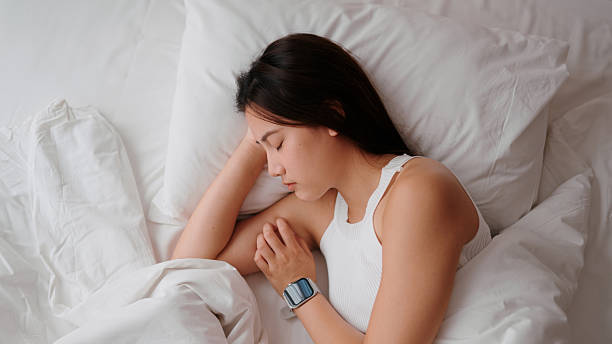
A Philadelphia patient is exhausted. Brain fog follows her through the day. She wakes with headaches, feels anxious and irritable, and sleeps poorly night after night.
She takes a sleep test. The results come back looking relatively normal.
Sleep apnea does not always look the way people expect. The stereotype (older, overweight, loud snoring, obvious pauses in breathing) describes some patients, but far from all of them. Sleep apnea can sometimes be missed when the presentation is quieter: silent OSA, REM-related OSA, positional OSA, upper airway resistance syndrome (UARS), atypical symptoms, a test that only captured part of the night’s sleep stages, or airway anatomy that a sleep study alone doesn’t reveal.
This does not mean every negative test is wrong, or that every tired patient has undiagnosed sleep apnea. It means missed or incompletely characterized sleep-disordered breathing is more complex than a single test result can capture, and undiagnosed sleep apnea symptoms can hide behind an unremarkable-looking report. For Philadelphia patients whose symptoms and test results do not add up, understanding why can be the first step toward getting real answers.
Why Can Sleep Apnea Be Missed Even When Symptoms Are Present?
Sleep apnea can sometimes be missed for three main reasons: symptoms can look like other conditions, breathing abnormalities may vary throughout the night, and different tests measure different things. Together, these can add up to hidden signs of sleep apnea that do not fit the textbook picture.
Sleep Apnea Symptoms Can Look Like Stress, Anxiety, or Depression
Fatigue, irritability, poor concentration, brain fog, low motivation, morning headaches, mood changes, and restless sleep can all point to sleep apnea and anxiety or sleep apnea and depression just as easily as they can point to a purely psychological cause. This overlap is one reason sleep apnea mental health symptoms are sometimes treated as standalone anxiety or depression without anyone considering sleep-disordered breathing.
This does not mean sleep apnea is always the root cause of anxiety or depression. It means the symptoms alone often can’t tell the two apart, which is exactly why a fuller evaluation matters.
Some Patients Do Not Fit the “Typical” Sleep Apnea Profile
Obstructive sleep apnea can occur in thin patients, women, younger adults, and people without loud snoring. Craniofacial risk factors, like a recessed jaw or narrow palate, can put someone at risk for sleep apnea regardless of body weight. So, to answer the question, “Can skinny people have sleep apnea?” Yes, they can. Weight is one risk factor among several, not a prerequisite.
Snoring Is a Clue, Not a Requirement
Loud snoring can signal airway vibration, but some OSA patients snore minimally or not at all, and UARS in particular may present without the loud snoring people associate with sleep apnea. Bed partners may also simply not notice quieter breathing events. To directly address the question, “Does snoring mean sleep apnea?” Not necessarily, and its absence does not rule sleep apnea out either.
A Normal or Mild AHI Does Not Always Explain the Whole Night
AHI is essential to interpreting a sleep study, but it represents event frequency, not every aspect of airway resistance or symptom burden. A normal or mild AHI is meaningful information, not the end of the conversation.
What the Apnea-Hypopnea Index Actually Measures
The apnea-hypopnea index counts qualifying apneas and hypopneas per hour of sleep. See what your AHI score actually measures for a fuller breakdown of how this number is calculated and interpreted.
Why Symptoms Can Be Significant With a Low AHI
Respiratory arousals, REM-specific events, positional clustering, oxygen severity, longer individual events, sleep fragmentation, and UARS can all contribute to real symptoms even when the AHI itself looks low. Respiratory effort-related arousals (RERAs) are one piece of that picture, and nighttime oxygen drops can affect sleep apnea severity in ways an overall AHI doesn’t capture. Sleep stage matters too, since why sleep apnea can worsen during REM is its own piece of this puzzle.
Why RDI, RERAs, and Oxygen Data May Add Context
The respiratory disturbance index, or RDI, may include RERAs in addition to apneas and hypopneas, and oxygen data shows desaturation patterns across the night. Neither number replaces clinical interpretation on its own. These metrics are meant to be read together, alongside symptoms and anatomy.
Upper Airway Resistance Syndrome Can Look Like “Sleep Apnea Without Apneas”
Some sleep clinicians describe upper airway resistance syndrome (UARS) as “sleep apnea without apneas,” a useful starting image, though not a precise clinical definition. UARS involves increased airway resistance during sleep. The patient works harder to breathe, airflow may be limited, and the brain may repeatedly arouse to protect breathing, but classic apnea counts can remain relatively low.
UARS vs Obstructive Sleep Apnea
Obstructive sleep apnea emphasizes apneas and hypopneas, clear pauses or reductions in airflow. UARS emphasizes flow limitation, increased respiratory effort, and arousals, without necessarily meeting the frequency or severity thresholds used to diagnose OSA. This does not mean UARS is a lesser concern; it means the diagnostic picture looks different. See upper airway resistance syndrome symptoms for a closer look at how UARS is identified.
Common UARS Symptoms That May Be Overlooked
Fatigue, brain fog, restless sleep, headaches, insomnia-like symptoms, anxiety, jaw tension, mouth breathing, and snoring can all appear with UARS. Because most of these symptoms overlap with other common conditions, UARS is frequently overlooked rather than diagnosed outright.
Why UARS May Be Harder to Identify on Some Tests
RERAs, inspiratory flow limitation, and other arousal-based respiratory disturbances may require measurements that are not included in every home sleep test. Full polysomnography is generally better equipped to capture these details. This is a limitation worth understanding rather than a reason to distrust testing generally. Sometimes the question being asked by the test is narrower than the question the patient needs answered.
Home Sleep Tests Can Miss Important Context in Some Patients
Home sleep testing can be extremely useful for many patients. Like any diagnostic tool, though, it has limitations. It may offer less direct information about sleep stages, arousals, total sleep time, RERAs, body-position nuances, and certain neurologic sleep variables than a full in-lab study.
What an At-Home Sleep Study Measures Well
At-home testing generally measures breathing patterns, airflow, oxygen levels, respiratory effort, and heart rate. Depending on the device, it may also capture snoring. Not every home system measures the same combination of variables, so what one test captures can differ from another.
What a Full Polysomnography Can Add
Full polysomnography can add brain-wave data, sleep-stage classification, arousals, leg movement, more detailed respiratory variables, and REM-specific data that home testing typically does not capture. When a symptomatic patient’s home sleep apnea test comes back negative, in-lab polysomnography is generally the next step, since one negative home test does not rule out obstructive sleep apnea on its own.
When Persistent Symptoms May Justify More Evaluation
A negative home test alongside severe symptoms, a low AHI with major fatigue, suspected UARS, suspected REM-related OSA, persistent oxygen issues, or treatment that is not working can all be reasons to pursue additional evaluation. This does not mean every negative home study requires in-lab testing. It means persistent, unexplained symptoms are worth a second look.
REM Sleep and Body Position Can Hide Sleep Apnea Severity
Breathing abnormalities are not always distributed evenly across the night. REM-related sleep apnea and positional sleep apnea are two of the clearest examples of how severity can concentrate in specific conditions rather than showing up evenly in an overall AHI.
REM-Related Sleep Apnea
Some patients have obstructive events that cluster disproportionately during REM sleep, when muscle tone naturally drops, and the airway becomes more vulnerable to collapse. This is one reason sleep apnea can sometimes worsen specifically during REM, adding another layer to why an overall AHI does not always tell the full story.
Positional Sleep Apnea
Supine sleeping can worsen airway narrowing through gravity’s effect on the tongue and jaw. Tongue displacement backward, combined with jaw position, can add up to more airway resistance while lying on the back than while side sleeping. For patients affected by this pattern, side sleeping is often considered a better position for sleep apnea.
Why Limited REM or Back-Sleeping Time Can Affect Test Interpretation
A single-night sleep study is a sample of a patient’s sleep, not a complete record of every possible night. How much REM sleep and how much back-sleeping time got captured during that one night can meaningfully affect how events are distributed in the results.
Airway Anatomy Can Explain Symptoms That a Sleep-Study Number Cannot
A sleep test measures what happens physiologically during sleep. An airway examination evaluates the structural and functional factors that may contribute to those events. This is where an airway dentist in Philadelphia can add a different, complementary layer of information.
Recessed Jaw and Bite Alignment
Mandibular position, retrognathia, available tongue space, and bite relationship can all influence how jaw position affects sleep apnea and overall airway vulnerability.
Narrow Palate and Limited Tongue Space
A narrow dental arch, high palate, limited intraoral volume, and tongue crowding all speak to how a narrow palate affects airway space, reducing the functional room available for airflow.
Mallampati Score and Soft-Tissue Crowding
Mallampati classification is one piece of a broader airway assessment, a simple oral exam score rather than an independently diagnostic test on its own. Understanding what your Mallampati score says about airway anatomy can add useful context alongside sleep-study data.
Mouth Breathing and Nasal Breathing Can Reveal Important Airway Clues
Mouth breathing and nose breathing are simple habits on the surface, but they can reveal useful information about airway function during sleep.
Why Chronic Mouth Breathing Deserves Attention
Chronic mouth breathing at night can reflect nasal obstruction, congestion, dry mouth, snoring, oral posture, or simply increased breathing effort. It’s a pattern worth mentioning during an evaluation.
Nasal Breathing Is Helpful but Does Not Rule Out Sleep Apnea
Nasal breathing supports airway function, but a person can breathe through the nose and still have sleep apnea. Nose breathing does not, on its own, rule the condition out. Supporting nasal breathing and sleep quality is worthwhile, but it works alongside a fuller evaluation rather than replacing one.
Why Tongue Position Matters
Tongue posture, airway crowding, posterior displacement, and narrow jaw or palate interactions all speak to how tongue position affects nighttime breathing and how much the tongue contributes to airway narrowing during sleep.
What Conditions Can Be Mistaken for Sleep Apnea or Coexist With It?
Several conditions can be mistaken for sleep apnea or exist alongside it, including insomnia, anxiety, depression, UARS, restless legs or other movement disorders, nasal obstruction, certain medication effects, thyroid or metabolic factors, central sleep apnea, and circadian rhythm issues. None of these should be assumed to be “actually” sleep apnea, and sleep apnea should not be assumed to be the cause of all of them.
Anxiety and Depression
Fatigue, poor concentration, and mood changes can overlap heavily between sleep apnea and primary anxiety or depression. Overlap does not mean equivalence. Both possibilities are worth considering rather than assuming one explains the other.
Insomnia and Fragmented Sleep
Sleep-disordered breathing can coexist with insomnia rather than existing as separate, unrelated problems. A patient can have both difficulty falling or staying asleep and an underlying breathing issue contributing to that fragmentation.
Central Sleep Apnea vs Obstructive Sleep Apnea
Obstructive sleep apnea involves airway obstruction despite ongoing effort to breathe. Central sleep apnea involves reduced or absent respiratory drive. In this case, the brain’s signal to breathe, rather than the airway, is the issue. Untangling obstructive from central sleep apnea matters because the two conditions call for different underlying explanations, even when the daytime symptoms look similar.
Signs That a Philadelphia Patient May Need a More Complete Sleep Evaluation
Consider a more complete evaluation if you experience:
- Persistent daytime fatigue
- Brain fog
- Morning headaches
- Loud or intermittent snoring
- Choking or gasping during sleep
- Dry mouth on waking
- Repeated nighttime awakening
- Bruxism (teeth grinding)
- Mouth breathing
- Unexplained high blood pressure
- Anxiety or mood changes alongside poor sleep
- A negative test with persistent symptoms
- A low AHI with significant impairment
These are reasons to seek further evaluation, not a checklist for self-diagnosis. The same finding can point to several different explanations depending on the full picture.
How Sleep Healthy PA Approaches Complex Sleep Apnea Cases in Jenkintown
At Sleep Healthy PA, evaluating a complex case starts with a patient’s sleep history, dental history, and health history. From there, the review adds the existing sleep study, AHI, RDI, oxygen findings, jaw position, bite, tongue space, palate, Mallampati classification, mouth breathing, nasal breathing, TMJ, and oral appliance candidacy. The history and exam findings help explain why the airway may be vulnerable in the first place, while the sleep study shows what happened during the night. Dr. Andrew Cohen brings an airway-dentistry lens to this picture as a sleep apnea dentist in Philadelphia. He works alongside sleep physicians and other specialists as part of a coordinated care team, bringing in additional medical evaluation when indicated.
For Philadelphia and Jenkintown patients whose symptoms have not been fully explained by a single test, this kind of layered review from an airway dentist in Philadelphia is often what’s missing.
Treatment Depends on What the Evaluation Actually Finds
There is no single sleep apnea treatment that fits every patient. The right path depends on what a full evaluation actually finds. Possible pathways include CPAP or other PAP therapy, oral appliance therapy, NightLase where appropriate, positional strategies, nasal or ENT evaluation, myofunctional support, medical management, or a combination of these.
CPAP When Airway Pressure Support Is Needed
CPAP remains a well-established option when airway pressure support is clinically indicated, and it continues to be an effective first-line treatment for many patients with obstructive sleep apnea.
Oral Appliance Therapy for Appropriate Obstructive Cases
For appropriately selected obstructive cases, mandibular advancement supports airway patency by holding the lower jaw in a more forward position. It is not the right fit for every patient or every diagnosis. Appropriateness depends on the evaluation, not on preference alone.
Why Follow-Up Testing Matters
Symptom improvement should ideally be supported by objective reassessment, such as a repeat sleep study, when clinically indicated. Feeling better is a good sign, but confirming that AHI or oxygen data has actually improved gives a fuller picture of whether treatment is working.
FAQs About Missed Sleep Apnea Symptoms
Can a sleep apnea test be negative even if I still have symptoms?
Yes. One sleep test represents one sample of a patient’s sleep and respiratory pattern for one night. Test type, sleep stages captured, body position during the study, and other possible diagnoses can all affect the result.
Can you have sleep apnea without snoring?
Yes. Obstructive sleep apnea can occur without prominent snoring in some patients, particularly with certain anatomy or with UARS.
Can thin people have sleep apnea?
Yes. Body weight is one risk factor among several contributors to sleep apnea, alongside jaw position, palate shape, tongue space, and other airway anatomy.
What can be mistaken for sleep apnea?
Fatigue and fragmented sleep can overlap with multiple medical and sleep conditions, including anxiety, depression, insomnia, UARS, medication effects, and other sleep disorders.
What is UARS and why can it be missed?
UARS involves increased upper-airway resistance and sleep-disrupting respiratory effort. Classic apnea frequency may remain low, which is part of why standard testing can miss it.
Can a home sleep study miss sleep apnea?
A home sleep study may provide less information about sleep stages and arousal-based breathing events than in-lab polysomnography. This is a limitation to be aware of. It doesn’t make home testing inherently unreliable.
Can jaw position cause sleep apnea?
Jaw position can influence available upper-airway space and is one risk factor worth considering, not a standalone diagnosis on its own.
When should I seek another evaluation?
Persistent symptoms despite inconclusive testing may justify further assessment by an appropriate sleep professional, whether that’s a repeat study, a different test type, or an airway-focused evaluation.
Find Answers for Persistent Sleep Apnea Symptoms in Philadelphia and Jenkintown, PA
A sleep study gives important information about what happened while you slept. Your health history, sleep history, symptoms, and airway examination give another window, one that can help begin asking why it happened. At Sleep Healthy PA, we believe both matter, because understanding the patient matters more than treating a number.
Sleep Healthy PA serves Philadelphia-area patients from Jenkintown, PA. Dr. Andrew Cohen provides airway-focused dental sleep assessment and works alongside medical sleep professionals when further evaluation is needed. If your sleep apnea symptoms in Philadelphia have not been fully explained, schedule a consultation to talk through the fuller picture.

